© Etienne Tordoir
-
May 27, 2026 12:15
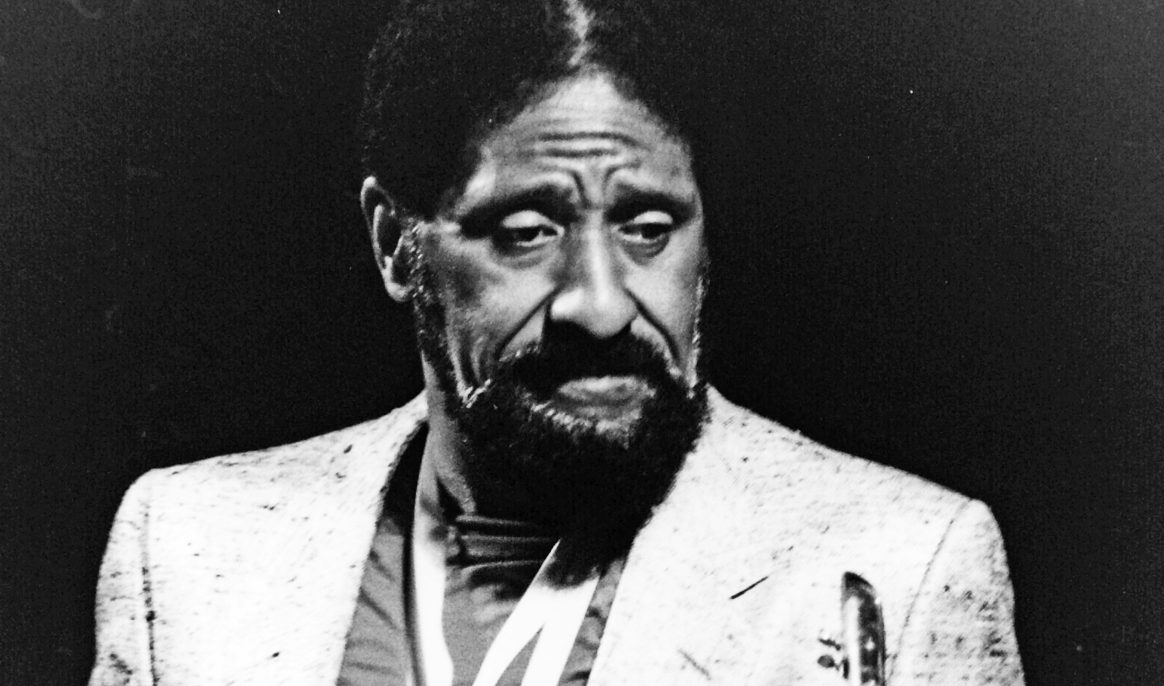
The history of jazz has lost one of its greatest giants. Sonny Rollins, the hugely influential American tenor saxophonist and composer, died on Monday May 25, 2026 in his home in Woodstock, New York, aged 95.
His agent, Terri Hinte, confirmed his death to the media, without specifying the exact cause and only saying that the musician had been confined to his home in recent years due to various health problems. But several sources mention a long battle with prostate cancer.
Born Theodore Walter Rollins on September 7, 1930 in New York City, Sonny Rollins was a fellow musician to all the giants of jazz, from Charlie 'Bird' Parker (1920-1955) onwards. His career, spanning more than seven decades, includes some twenty major albums that have left an indelible mark on the history of jazz. Considered one of the greatest tenor saxophonists of all time, Rollins succeeded Charlie Parker and Dexter Gordon as the instrument's dominant figure, developing an instantly recognizable style characterized by power, technical mastery and an innovative thematic approach.
Growing up in the working-class neighborhood of Harlem, Sonny Rollins discovered jazz at an early age. In contact with contemporaries such as double bassist Thelonious Monk, pianist Bud Powell and trumpeter Miles Davis, three major figures, he became familiar with the bebop in vogue at the time. But he quickly forged his own identity, with a wide variety of chromas.
By the '50s, he had established himself as an outstanding soloist, appearing on landmark recordings such as "Dig"(1951) with Miles Davis, with Thelonious Monk's quintet (1954) and with Art Blakey in 1956. A year later, with the support of Max Roach, he released the masterly "Saxophone Colossus" (1956), including the famous "St. Thomas" theme, his third personal album, the cornerstone of his imposing discography and one of the most important jazz records ever recorded. The man's physical stature, to which he owes his nickname, is impressive, but so is his prodigious talent as a blower and experienced improviser.
What made Rollins particularly unique were his "River Concerts", a form he practiced for the last three decades of his career, a format that allowed him to get as close as possible to audiences and improvise for hours without interruption. These improv marathons, often solo, redefined the limits of what a saxophonist could offer on stage.
Rollins went through several periods of withdrawal from the public scene, including his famous practice sessions on the Williamsburg Bridge in New York in the 1950s, where he would isolate himself to perfect his playing. These moments of reflection and intense work testified to his obsessive commitment to his art and his constant quest for perfection. Despite his immense talent, he remained a humble musician, often self-critical, always striving to improve.
His death marks the end of an era for American jazz. Rollins was the last of the great jazz colossi of his generation, outliving Charlie Parker, Dizzy Gillespie, Miles Davis, John Coltrane and so many other giants who shaped the genre. His artistic legacy will continue to inspire generations of musicians, while his recordings will remain an absolute references for anyone wishing to understand the evolution of the tenor saxophone and jazz improvisation.
(JS - Photo © Etienne Tordoir : Sonny Rollins, in concert at Bozar (Brussels), October 11, 1993 )
Share: