©Bill Fairs via Unsplash
-
May 15, 2026 08:33
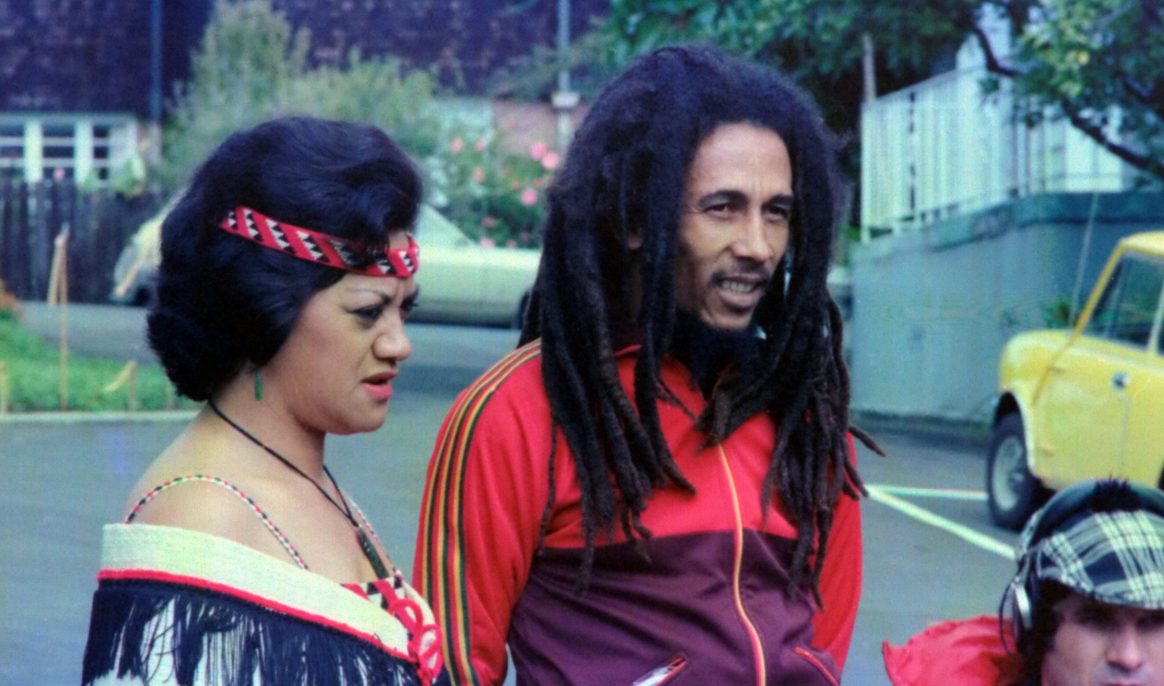
On May 11, 1981, Bob Marley, one of the most influential musical figures of the 20th century, passed away. He was only 36, but in a very short time, he had succeeded in transforming reggae into a universal language, capable of speaking of freedom, social justice, spirituality and human rights.
Before his death from cancer, Bob Marley left his son Ziggy a symbolic phrase: "Money can't buy life". These words perfectly sum up his vision of the world and the meaning of his existence.
He was not only an immensely talented musician, but also a political and cultural voice. Through his songs, he denounced poverty, colonialism, racial discrimination and violence, always choosing the path of music as a form of peaceful resistance. Even today, his message remains relevant and continues to cross generations and borders.
Bob Marley: from humble origins to the birth of a legend
Born Robert Nesta Marley in Jamaica on February 6, 1945, Bob was the son of a white man of English descent and a young Jamaican woman. His father quickly abolished the family, partly due to the social and family pressures of their mixed union, leaving Marley to grow up in difficult financial conditions.
Growing up in Kingston's working-class neighborhoods had a profound effect on his artistic and political sensibilities. At just 15, he left school to work as a welder, while cultivating his passion for music. Soon after, he became involved with Rastafarianism, a spiritual movement born in 1930s Jamaica, based on the idea of the emancipation of black people, a return to African roots and a rejection of Western oppression.
For Marley, Rastafarianism was not just a religion, but a veritable philosophy of life. His lyrics began to interweave spirituality, social denunciation and the quest for freedom, elements that were to become the core of his musical output.
The worldwide reggae explosion
Reggae's musical beginnings date back to 1961, with the unnoticed (or almost unnoticed) single "Judge Not". The turning point came a few years later, when Bob Marley teamed up with Bunny Livingston and Peter Tosh to form the Wailers. Together, they released "Catch a Fire" in 1973, an album that helped put reggae on the map beyond Jamaica.
Over the years, Marley succeeded in fusing reggae, rock and soul, making his style more accessible to international audiences without ever losing its authenticity. It was above all with " No Woman, No Cry", in 1975, that he became a worldwide star. From then on, one hit followed another: "Redemption Song", "Exodus", "One Love" and "Get Up, Stand Up"... all destined to go down in music history.
His songs were more than just hits: they were about dignity, emancipation and resistance. And it's no coincidence that Marley was seen as a symbol of unity and hope, particularly in countries marked by social tensions and inequality.
The attempt on his life and his political commitment
One of the most dramatic episodes of his life occurred in 1976, when Bob Marley was the victim of an attempted assassination attempt at his home in Kingston, a few days before the "Smile Jamaica" concert, organized in an attempt to calm the political climate on the island. Although wounded, he still decided to go on stage.
And when asked why he didn't cancel the concert, he replied: "People who try to make this world worse don't take a day off. Why should I?". A phrase that has helped nurture the myth of the committed, courageous artist.
Illness and the last days
In 1977, Marley noticed a lesion on his right toe: it was malignant melanoma. When doctors advised amputation of the toe, he refused, for religious reasons linked to his Rastafarian faith.
Despite the worsening disease, he continued to tour and record music. However, the cancer spread rapidly, reaching other organs. After a final attempt at treatment in Germany, his condition deteriorated sharply.
On his way back to Jamaica, he was forced to stop in Miami, where he was hospitalized at Cedars of Lebanon Hospital. He died on the morning of May 11, 1981. Shortly before he passed away, he addressed this immortal phrase to his son Ziggy: "Money can't buy life".
SOURCES: Facebook/YouTube/Forbes
Share: