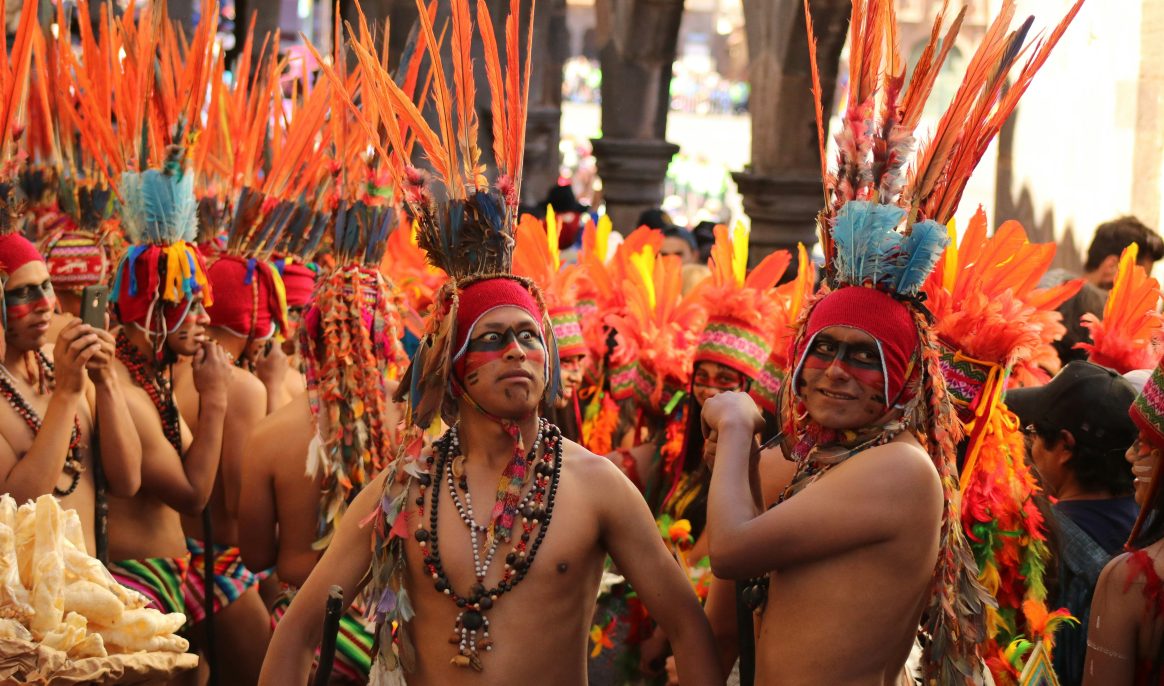
©Viajes con Astro Cartografía via Unsplash
-
Jun 24, 2026 18:34
On June 24, Peru celebrates Inti Raymi, the legendary Festival of the Sun. Discover the history, Inca rituals, and secrets of Peru’s most important Andean celebration. Between ancient Cusco and the Sacsayhuamán fortress, the fascinating Inca ritual dedicated to the winter solstice is brought back to life.
Every June 24, as the southern winter reaches its peak in the Southern Hemisphere, the city of Cusco becomes the stage for one of the most spectacular historical reenactments on the planet. Inti Raymi, literally meaning the “Festival of the Sun” in the Quechua language, is the ancient celebration through which the Andean people paid homage to Inti, the supreme sun god, and to Pachamama, Mother Earth.
The celebration isn't merely a tourist spectacle, but the spiritual legacy of the winter solstice. It's the day when the sun is at its farthest point from Earth, and when the Incas sought to “bind” it to ensure its return, thereby guaranteeing the fertility of the fields and the survival of the empire.
From Pachacútec to the underground: The history of the ritual
It was Emperor Pachacútec—the ruler who reorganized the Inca state and made Cusco the cultural heart of the Andes—who officially established this solemn festival around 1430. During the empire’s golden age, the ceremony lasted nine days, punctuated by sacrifices, dances, and communal feasts attended by the curacas, the regional chiefs.
With the arrival of the Spanish conquistadors and the fall of the last ruler, Atahualpa, Viceroy Francisco de Toledo formally banned Inti Raymi in 1572, considering it a pagan rite contrary to the Catholic faith. The celebration survived clandestinely over the centuries until 1944, when Peruvian artist Faustino Espinoza Navarro reconstructed the historical texts and gave rise to the modern reenactment.
The three acts of the ceremony and the symbolic sacrifice
The current structure of Inti Raymi unfolds across three historic sacred sites in Cusco, involving more than eight hundred actors in period costumes. The first act begins in the morning on the forecourt of the Qorikancha, the famous Temple of the Sun, where the actor portraying the Inca Sapa (the supreme ruler) recites an invocation to ask for the sun’s blessing.
Next, the imperial procession moves to the Plaza de Armas, the city’s main square, for the ritual meeting between the sovereign and the current mayor—a symbolic moment that links the pre-Hispanic past to the nation’s political present.
The grand finale at the Sacsayhuamán fortress
The highlight of the event takes place on the vast esplanade of the Sacsayhuamán fortress, an architectural complex with megalithic walls located north of Cusco. There, before thousands of spectators, the Inca ascends the central altar accompanied by his wife, the Coya, to perform the two most important rituals of the day.
The first is the chicha ritual, during which the ruler offers the sun god a sacred drink made from fermented corn, followed by the symbolic sacrifice of a llama. Andean priests read the future of the agricultural year in the entrails of the sacrificial effigy and light the sacred fire, giving way to colorful dances that celebrate light and the new cycle of Andean life.
Share: