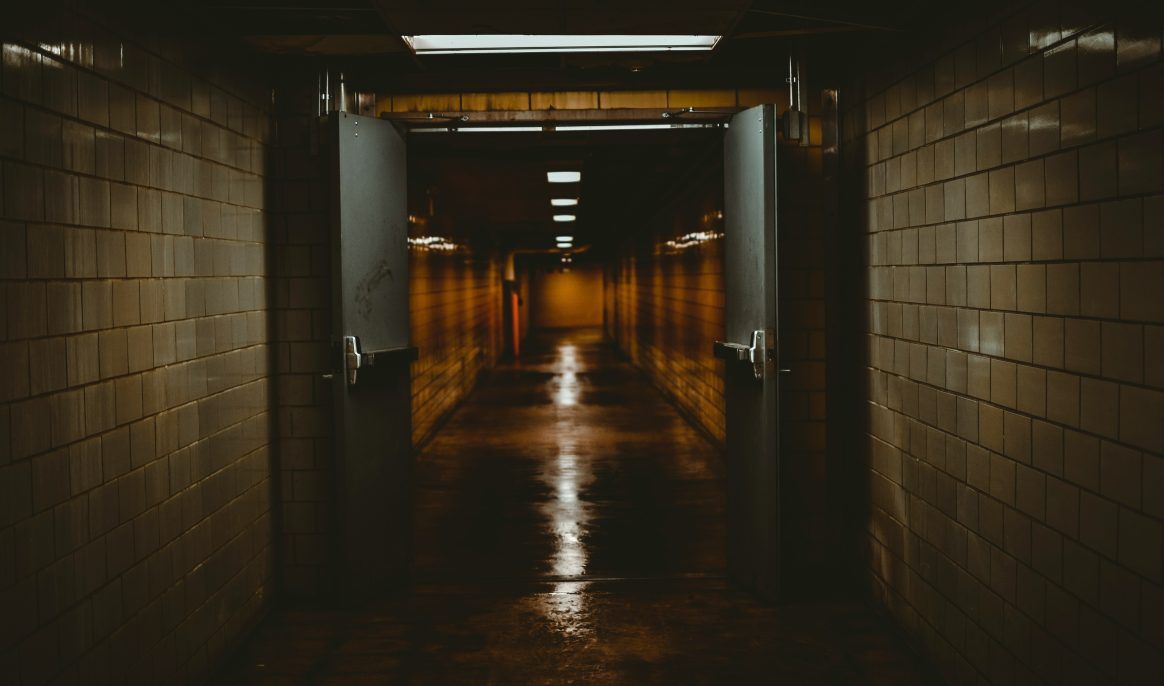
©Andy Li via Unsplash - photo d'illustration d'un ancien asile
-
Jun 29, 2026 15:37
The photography exhibition Morire di classe will be on view through to July 8 at La Sapienza University in Rome. The exhibition brings one of the most dramatic chapters in Italian history back into the spotlight: that of psychiatric asylums before the Basaglia reform.
Hosted at the Museo Laboratorio di Arte Contemporanea (MLAC), the exhibition brings together a selection of photographs taken in the late 1960s by Carla Cerati and Gianni Berengo Gardin, which were later used to illustrate the book of the same name. Edited by Franco Basaglia and Franca Ongaro Basaglia, the book was published in 1969 by Il Saggiatore.
The are harrowing, unforgettable images that document the reality of Italian psychiatric hospitals before Law 180 of 1978. These places were spaces of segregation rather than care. They housed not only people with mental disorders, but also the poor, the marginalized, women deemed “troublesome,” and anyone who did not conform to the dominant social norms of the time.
These photographs revealed restraint beds, straitjackets, dilapidated facilities, and faces marked by neglect to the public for the first time. This work played a decisive role in fueling the cultural and political debate, leading to the historic reform spearheaded by Franco Basaglia and the gradual closure of psychiatric asylums in Italy.
But the exhibition does not merely look to the past. As the organizers point out, the issues it raises remain relevant today. Nearly fifty years after Law 180 was passed, the mental health system continues to face significant regional disparities, staff shortages, and insufficient funding. According to the most recent data, the budget allocated to mental health remains well below 5% of the National Health Fund—the minimum target recommended by experts.
The exhibition also features a section dedicated to other prominent photographers who have documented the world of psychiatry and institutions. Among them are Luciano D’Alessandro, author of the famous photo essay “Gli esclusi” (“The Excluded”); Paola Mattioli, who captured the innovative experiments at the psychiatric hospital in Trieste; Uliano Lucas and Gian Butturini, who witnessed the process of dismantling the asylums; as well as the French photographer Raymond Depardon, who captured the transformation of Italian psychiatric hospitals in the years that followed.
Alongside the photographs, historical documents, publications, and informational materials selected by students at La Sapienza draw parallels between the experience of the asylum and certain new forms of exclusion and restraint in contemporary society.
The exhibition Morire di classe is organized by the Archivio Basaglia and Il Saggiatore publishing house, in collaboration with the Polo Museale Sapienza Cultura and the SARAS department. Admission is free. The exhibition is open to the public Monday through Friday, from 3:00 p.m. to 7:00 p.m., at the MLAC, located within the La Sapienza university campus on Piazza Aldo Moro in Rome.
More than just a photography exhibition, it is an invitation to reflect on the meaning of care, dignity, and the rights of the most vulnerable people—themes that remain at the heart of the contemporary debate on mental health.
Share: